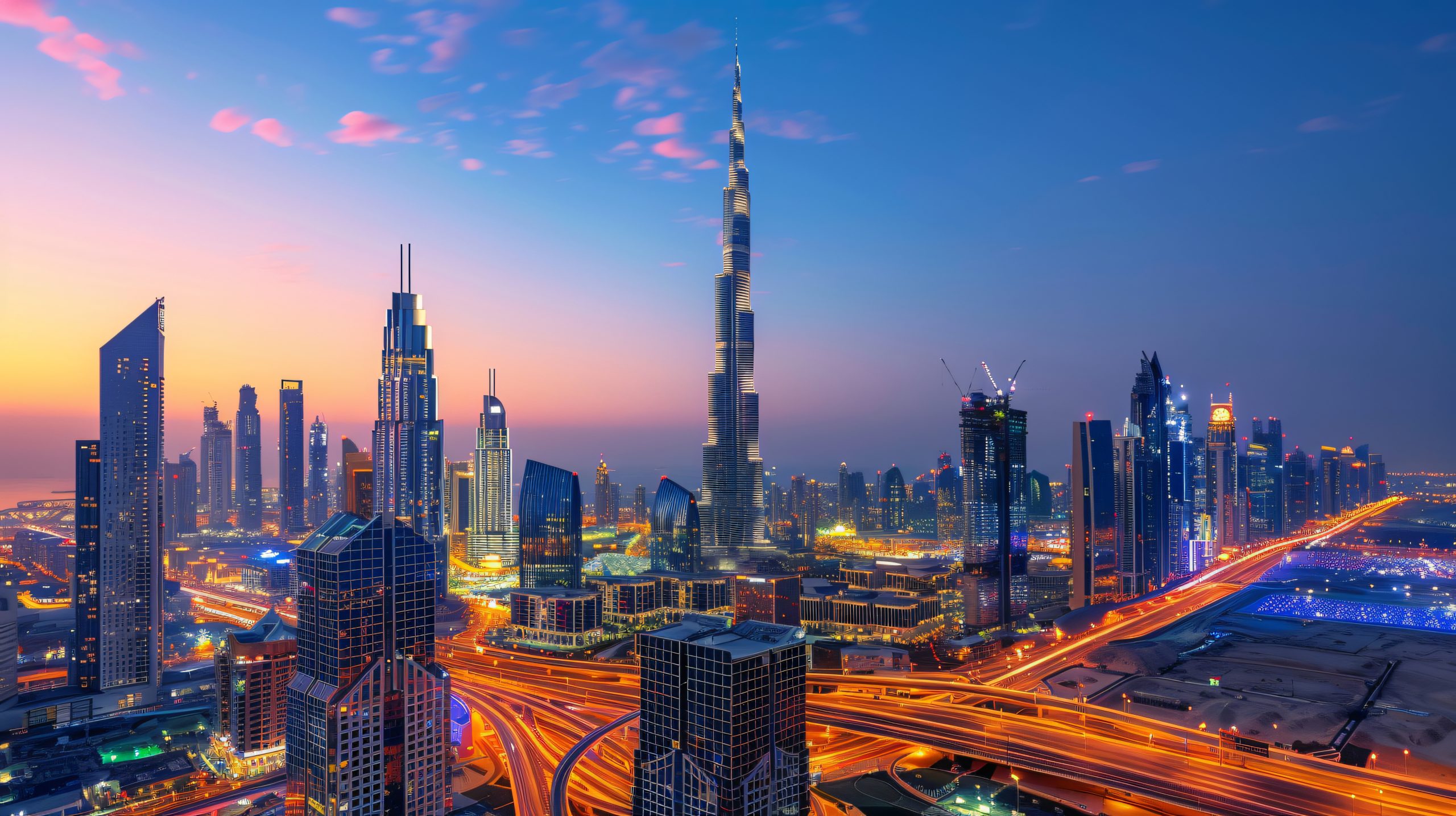
Dubai is among the most identifiable cities within the Middle East that possesses a hi-tech skyline, luxurious high-rises, and innovative urbanism. Over the past few decades, Dubai has grown into a business, tourist and architectural mecca of the world that has its roots in a small desert town. The case study of Dubai will allow students to study how design, technology, and culture can interrelate to create a contemporary city.
The History of Modern Architecture in Dubai.
Modern architecture evidences the connection to the high rate of growth and ambition in Dubai. In the late 20 th century, the city began to spend a lot of money on building projects, prioritizing unusual and world record-breaking designs. These projects demonstrate that with the help of urban planning, creativity, and engineering, cities can change their image within a short period of time.
The Dubai architecture is not made up of high-rises alone. It also includes the planning of smart cities, long-term planning and communal space, which unites individuals and the natural environment. This blend of style and functionality makes one of the best examples of contemporary urban development in the Middle East.
Famous Skyscrapers in Dubai
Dubai is the host of some of the most famous and tallest skyscrapers in the world. The Burj Khalifa stands as the tallest construction on Earth, achieving the architectural desire of the city. It is a historic building that builders constructed to a height of 828 meters, demonstrating the immense engineering and design levels that architects apply to create iconic buildings.
Others such as the Cayan Tower and the Marina 101, are twisting. The architecture of both buildings is exclusive in its own way, and the architects of Dubai show the synthesis of artistic skills and mastery of technical skills. These skyscrapers also attract the attention of tourists, businesses, and the world.
New Designs in Hotels and Resorts.
The features of the Dubai brand are known to be luxurious hotels and resorts that push the boundaries of design. The Burj Al Arab which resembles a massive sail is one of the globally renowned hotels. It reminds us of the success that has managed to attain by combining architecture and tourism because of the unique construction and the luxurious interiors.
In addition to well-known hotels, Dubai has a lot of themed resorts, man-made artificial skiing slopes, and floating hotels. These projects underscore the importance of innovation in the field of architecture in order to provide a visitor with an experience that will draw people worldwide.
Use of Technology in Contemporary architecture.
The modern architecture of the city of Dubai involves technology. It is through advanced construction methods that buildings are able to shoot to new heights without any worries about their safety. CAD and 3D modelling assists architects in planning sophisticated structures prior to the commencement of the construction process.
Dubai is also widely covered with smart building technology. The modern buildings have many systems that conserve energy, automated controls, and sustainable materials. This demonstrates how architects can use technology to make architecture not only impressive but also ecological.
Green and Sustainable Building in Dubai.
Dubai is concerned with sustainable architecture as the city expands. Solar powered skyscrapers and the Dubai Sustainable City project are the kind of projects that should minimize the effect on the environment but have modernistic design. The new buildings are introducing green roofs, energy saving lighting and water saving technologies.
Sustainable design is significant in the sense that it provides a balance between the fast growth and the environment responsibility. Architecture students who study in Dubai can acquire knowledge of how cities may be innovative and environmentally-friendly at the same time.
The Impact of Culture in the Modern Architecture.
Traditional and modern aspects have an influence on the architecture of Dubai. Islamic art, geometric figures, and desert-related forms tend to be used by designers in modern constructions. This brings a fusion of culture and innovation, turning into a unique place.
It is possible to find the influence of the culture in the open areas, museums, and malls. The Dubai opera, as an example, has an approach of mixing modern design and traditional elements and made it a place that celebrates history and welcomes the future.
City Planning and Smart Cities.
Urban planning is another area of leadership of Dubai. The city has planned effective roads, mass transit, and residential and commercial estates. They apply smart city technology to track the traffic, control the energy consumption, and enhance the services in the city.
This practice makes sure that the modern architecture in Dubai is not merely beautiful, but useful as well. Urban planning demonstrates to students how architecture is related to everyday life and the management of the city.
Dubai as a Global Example
The architecture of Dubai has shaped the world’s cities. Architects and engineers research the projects to learn how to integrate culture, technology, and creativity in city design. The city is a testament to how daring planning and contemporary development can turn a city of desert into an international symbol.
The case study will help the students learn how modern architecture reflects economic growth, tourism, and cultural identity. Dubai presents a vivid case of how design determines life in the city and the perception of the rest of the world.
Learning Value of studying the architecture of Dubai.
The modern architecture of Dubai will enable the students to study engineering, design and urban planning. It also gives lessons concerning sustainability, culture, and how technology will shape the future. Dubai is an example of how creative minds can use such obstacles as a desert landscape as a source of international fame.
